what does it feel like to have dental implants
Dental Implants: What Yous Should Know
Dental implants are medical devices surgically implanted into the jaw to restore a person'southward ability to chew or their advent. They provide support for artificial (fake) teeth, such as crowns, bridges, or dentures.
On this page:
- Background
- Recommendations for Patients
- Benefits and Risks
- Reporting Problems to the FDA
- Boosted Resource
Groundwork
When a tooth is lost due to injury or disease, a person tin can feel complications such as rapid os loss, defective spoken communication, or changes to chewing patterns that result in discomfort. Replacing a lost tooth with a dental implant can significantly improve the patient's quality of life and health.
Dental implant systems consist of a dental implant body and dental implant abutment and may also include an abutment fixation screw. The dental implant body is surgically inserted in the jawbone in place of the tooth's root. The dental implant abutment is normally attached to the implant body by the abutment fixation screw and extends through gums into the rima oris to support the fastened artificial teeth.
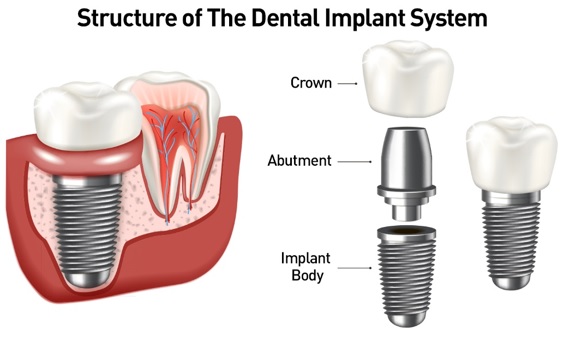
Figure 1. Structure of The Dental Implant System
Recommendations for Patients
Earlier choosing dental implants, talk to your dental provider about the potential benefits and risks, and whether yous are a candidate for the process.
Things to consider:
- Your overall health is an of import cistron in determining whether you lot are a practiced candidate for dental implants, how long it volition accept to heal, and how long the implant may stay in place.
- Enquire your dental provider what brand and model of dental implant system is being used and continue this information for your records.
- Smoking may impact the healing procedure and decrease the long-term success of the implant.
- The healing process for the implant body may take several months or longer, during which fourth dimension yous typically have a temporary abutment in identify of the molar.
After the dental implant procedure:
- Carefully follow the oral hygiene instructions given to you past your dental provider. Regularly cleaning the implant and surrounding teeth is very important for long-term success of the implant.
- Schedule regular visits with your dental provider.
- If your implant feels loose or painful, tell your dental provider correct away.
Benefits and Risks
Dental implants can significantly improve the quality of life and the wellness of a person who needs them. However, complications may sometimes occur. Complications can occur soon later on dental implant placement or much after. Some complications result in implant failure (usually defined every bit implant looseness or loss). Implant failure can result in the need for another surgical process to set or supervene upon the implant organisation.
Benefits of Dental Implant Systems:
- Restores the ability to chew
- Restores cosmetic advent
- Helps keep the jawbone from shrinking due to bone loss
- Preserves the health of the surrounding bone and gums
- Helps keep next (nearby) teeth stable
- Improves quality of life
Risks Associated with Dental Implant Systems:
- Impairment to surrounding natural teeth during implant placement
- Injury to the surrounding tissues during surgery, such equally sinus perforation
- Injury during surgery (for instance, fracture of surrounding jawbone)
- Inadequate part, such as feeling like the teeth practice non bite together ordinarily
- A sensation that the tooth is loose or twisting in place resulting from an abutment screw loosening
- Implant body failure (looseness of the implant body)
- due to systemic infection, which may exist more than likely in patients with uncontrolled diabetes
- due to local infection in bone and gums supporting the implant torso
- due to delayed healing, which may be more than likely in patients who smoke
- Difficulty cleaning the gums effectually the implant, resulting in poor oral hygiene
- Untreated periodontal illness
- Postal service-surgical numbness due to nerve impingement or damage
- Always notify wellness care providers and imaging technicians that you lot have dental implants before whatsoever magnetic resonance imaging (MRI) or x-ray procedures. Dental implants can misconstrue or interfere with these images. FDA is non aware of any adverse events reported for MRI or 10-ray procedures with dental implants.
Ways Dental Implants are Evaluated for Safety
Dental implants systems are typically made of materials that follow international consensus standards of the International Organization for Standardization (ISO) or ASTM International. These standards have details of what makes a safe material. Most dental implant systems are made of titanium or zirconium oxide. Other materials such as gold alloys, cobalt-based alloys, titanium alloys, or ceramic materials are sometimes used. The safety profiles of these materials are well-known.
Dental implant systems are evaluated according to international consensus standards. Biocompatibility testing, to bear witness that actual contact with the device does not cause complications like irritation or allergic reaction, is function of the evaluation that helps ensure the materials in the dental implant system are safe and do not cause agin effects when implanted in people.
For manufacturers to market dental implant systems in the United States, they must first show the FDA their systems are as safety and every bit effective as dental implant systems already on the market place.
Reporting Dental Implant System Problems to the FDA
Prompt reporting of adverse events tin assistance the FDA identify and better understand the risks associated with medical products. If you have problems associated with your dental implant system including the dental implant torso, the dental abutment, or the dental abutment spiral, we encourage you to file a voluntary report through MedWatch, the FDA Safety Information and Adverse Event Reporting program.
To aid united states of america learn as much as possible about the agin events associated with dental implant systems, please include the following information in your report, if available:
- Date of device implantation
- Identification of dental implant system used
- Description of the problem including engagement of onset, and whatever diagnosis and follow-up treatment
- Description of medical or surgical interventions taken, including prior interventions, if any
- Pertinent medical and dental history
Additional Resources
- American Dental Association (ADA), "PatientSmart Patient Education Center: Dental Implants"
- American Academy of Periodontology (AAP), "Dental Implants"
Source: https://www.fda.gov/medical-devices/dental-devices/dental-implants-what-you-should-know
0 Response to "what does it feel like to have dental implants"
Post a Comment